CK-A0601001-00033
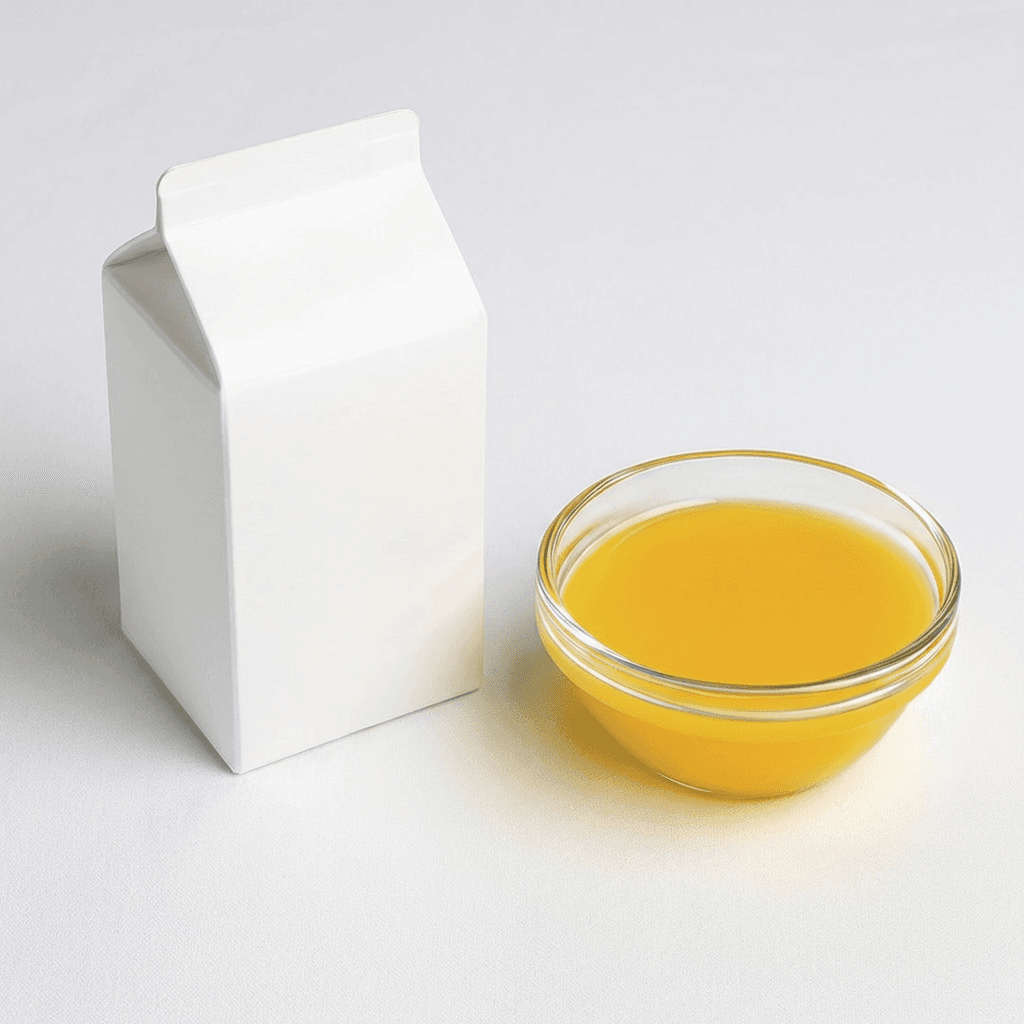
Pasteurized Liquid Egg Yolk
Storage, Shelf Life & Handling
Packaging & Specifications
Product Description
Applications
Instructions for Use
Check All Products
Why Pasteurized Egg Yolk Liquid Matters for Food Safety
Shell eggs and raw yolk can carry Salmonella and other pathogens, creating a real risk in any kitchen that serves dishes where the yolk isn’t fully cooked — mayonnaise, mousse, tiramisu, hollandaise, ice cream bases, and certain cream fillings.
Our pasteurized egg yolk liquid is heat-treated under strict time-temperature control to eliminate pathogens while preserving the yolk’s emulsifying power, color, and aroma. The result: a ready-to-use yolk ingredient that is microbiologically safe, legally compliant for ready-to-eat applications, and functionally identical to fresh yolk in baking and sauce lines.
For global brands and hotel chains, switching to pasteurized liquid yolk is often a HACCP and food-safety audit requirement — not a cost choice.
Refrigerated vs. Frozen Yolk Liquid — Which Should You Choose?
Criterion | Pasteurized (Refrigerated) | Frozen Yolk Liquid |
|---|---|---|
Storage | 0–4°C, 45 days | −18°C, 24 months |
Thawing required | No — pour and use | Yes, before use |
Best for | High-turnover kitchens, daily production, no-cook/low-cook dishes | Long-distance export, strategic stockpiling |
Texture after use | Fine, smooth, immediately functional | Fully recovers after proper thawing |
Cold chain | Refrigeration only | Full freezer logistics |
Bakeries and sauce producers with daily to weekly consumption typically prefer the pasteurized refrigerated version for its zero-prep convenience and no thawing loss.
What Sets Jinyi Pasteurized Egg Yolk Liquid Apart
Sauce plants, bakeries, and dessert manufacturers choose the refrigerated yolk format when emulsification stability and daily throughput matter more than long-term storage:
Stable emulsifying performance — natural yolk lecithin delivers dependable emulsion strength for mayonnaise, dressings, and custard bases, batch after batch.
Food-safety assurance — validated pasteurization significantly reduces pathogen risk in recipes where yolk receives little or no further heat, such as cold sauces and semi-cooked desserts.
Pour-and-go convenience — no separating, no thawing; the 10 kg carton feeds directly into continuous or batch mixing lines.
Export-ready supply — certified production with cold-chain logistics support and documentation for import inspection.
Industry Applications for Pasteurized Egg Yolk Liquid
Mayonnaise, Dressings & Sauces
The core emulsifier for oil-in-water systems — supports consistent viscosity, gloss, and shelf stability across large sauce batches without reformulation.
Bakery & Custards
Adds richness, golden color, and tender crumb to brioche, custard fillings, crème pâtissière, and egg-wash glazes, with reliable dosing by weight.
Ice Cream & Frozen Desserts
Improves body, creaminess, and overrun control in premium ice cream and gelato bases where yolk solids define the mouthfeel.
Related Egg Products
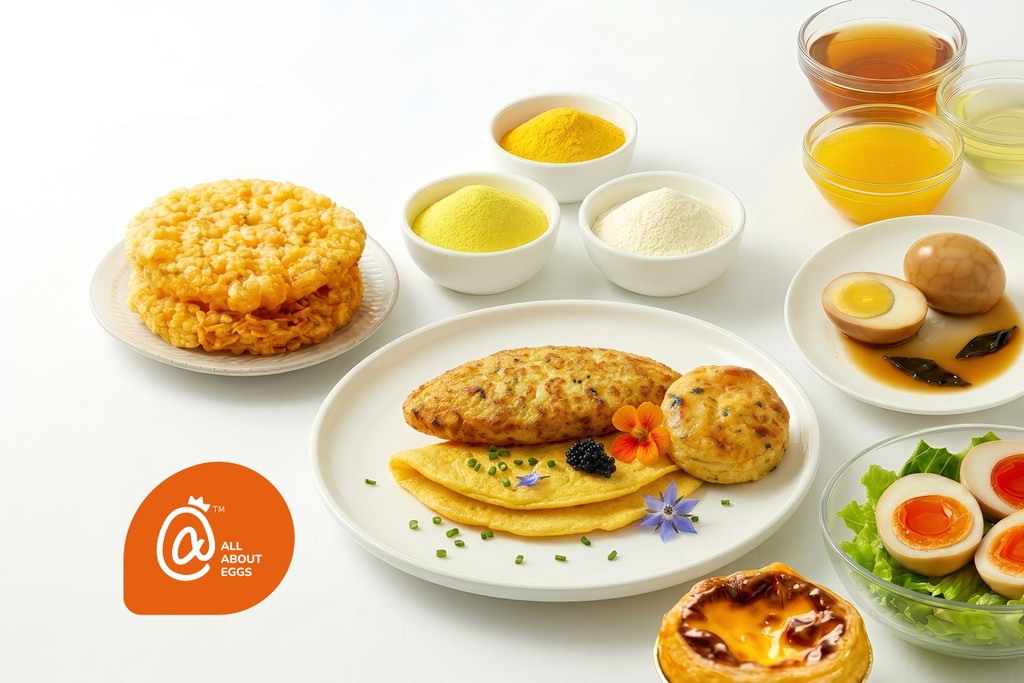
Depending on your recipe and logistics, one of these yolk or liquid egg formats may fit better:
Egg Yolk Liquid (with salt) — frozen salted yolk with improved freeze-thaw stability for sauce production.
Egg Yolk Liquid (with sugar) — frozen sugared yolk suited to bakery and frozen dessert recipes.
Egg Yolk Powder — ambient-stable, spray-dried yolk for dry mixes and long-distance shipping.
Pasteurized Whole Egg Liquid — the versatile choice when recipes call for whole eggs rather than yolk alone.
CONTACT US
Contact Our Product Consultant
*Bulk Supply Only | No Retail or Small-Quantity Orders
*Fresh eggs are not our primary offering and require destination country regulatory clearance.
