CK-B0102003-00095
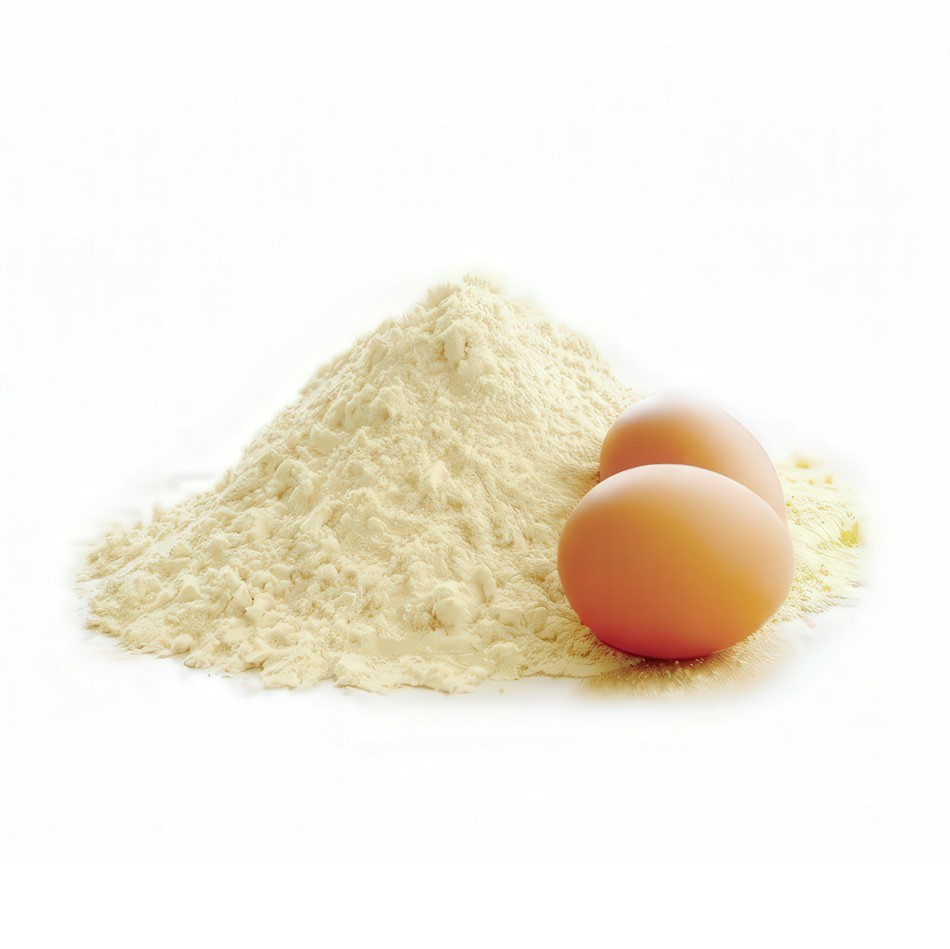
Whole egg powder
Storage, Shelf Life & Handling
Packaging & Specifications
Product Description
Applications
Instructions for Use
Check All Products
How to Reconstitute Whole Egg Powder
Whole egg powder is produced by spray-drying pasteurized liquid whole eggs, preserving the balanced functional profile of fresh eggs—including emulsification, aeration, coagulation, and color. Once rehydrated to the specified ratio, it can replace liquid whole egg on a weight-for-weight basis in many commercial formulations, subject to process validation.
Standard Reconstitution Ratio (1 : 2.57 by weight)
Ingredient | Weight | Percentage |
|---|---|---|
Whole egg powder | 280 g | 28% |
Water (≤ 40°C) | 720 g | 72% |
Yield | 1 kg | liquid whole egg (≈ 20 medium eggs*) |
Conversion note: The estimate assumes about 50 g of edible liquid whole egg per medium shell egg, excluding the shell. Egg size and powder solids vary, so use the 280 g powder to 720 g water ratio for production scaling; egg counts are approximate.
Directions:
Measure cool or lukewarm water (below 40°C). Higher temperatures can prematurely coagulate the proteins and impair baking and emulsifying performance.
Sprinkle the powder slowly into the water while stirring, or use a wire whisk to ensure the fine particles disperse evenly without forming lumps.
Rest the mixture for 20–30 minutes at room temperature, allowing the proteins and lipids to fully hydrate and develop their natural functional properties.
Stir or blend briefly before incorporating it into your formulation. When rehydrated and processed correctly, it can provide comparable whole-egg functionality in batters, doughs, omelets, custards, and sauces; validate performance in the final recipe and process.
Functional Properties and Applications of Whole Egg Powder
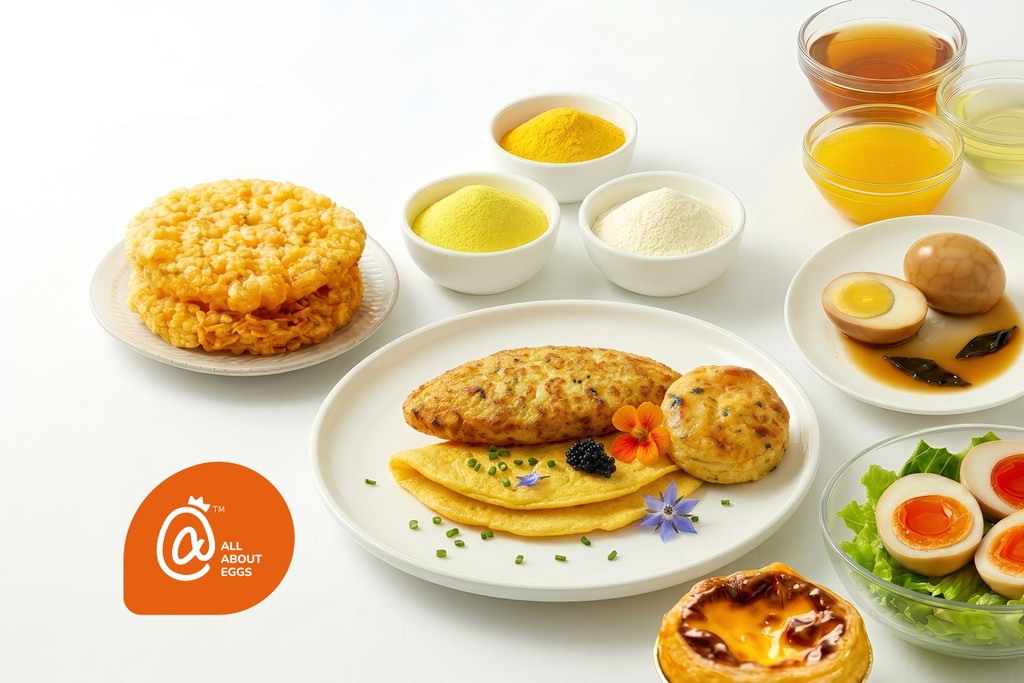
Whole egg powder combines proteins and lipids from both egg white and yolk, giving it a balanced functional profile rather than the concentrated performance of a single egg fraction. After reconstitution, it supports applications that need both structure and richness.
1. Balanced emulsification and binding
Yolk phospholipids support oil-in-water emulsions, while egg proteins help bind water and other ingredients. This makes whole egg powder suitable for bakery batters, pasta and noodles, sauces, dressings, and prepared foods where one ingredient must contribute both emulsion stability and cohesion.
2. Aeration, structure, and coagulation
Whipping introduces air, and heating sets the protein network. Whole egg powder can contribute volume, crumb structure, set, and sliceability in cakes, sponge products, omelets, custards, and other cooked egg systems. Performance depends on powder specification, rehydration, shear, sugar and fat levels, and process temperature.
3. Color, flavor, and versatile applications
Yolk pigments and lipids contribute natural yellow color, egg flavor, and fuller mouthfeel, while white proteins add body. Whole egg powder is best when a formulation needs balanced whole-egg performance rather than maximum emulsification from yolk or maximum foaming from white.
Choosing the Right Egg Powder
Select the egg fraction according to the dominant function required in the finished product:
Whole Egg Powder — best for balanced replacement of liquid whole egg, combining emulsification, structure, binding, color, and flavor in bakery, pasta, noodles, prepared foods, and cooked egg products.
Egg Yolk Powder — choose when stronger emulsification, richness, mouthfeel, and yellow color are priorities, such as mayonnaise, dressings, custards, pasta, premium bakery, and frozen desserts.
Egg White Powder (Egg Albumen Powder) — choose for foaming, aeration, protein reinforcement, gel strength, lighter color, or lower-fat formulations such as meringues, cakes, confectionery, and high-protein foods.
CONTACT US
Contact Our Product Consultant
*Bulk Supply Only | No Retail or Small-Quantity Orders
*Fresh eggs are not our primary offering and require destination country regulatory clearance.
