Articles
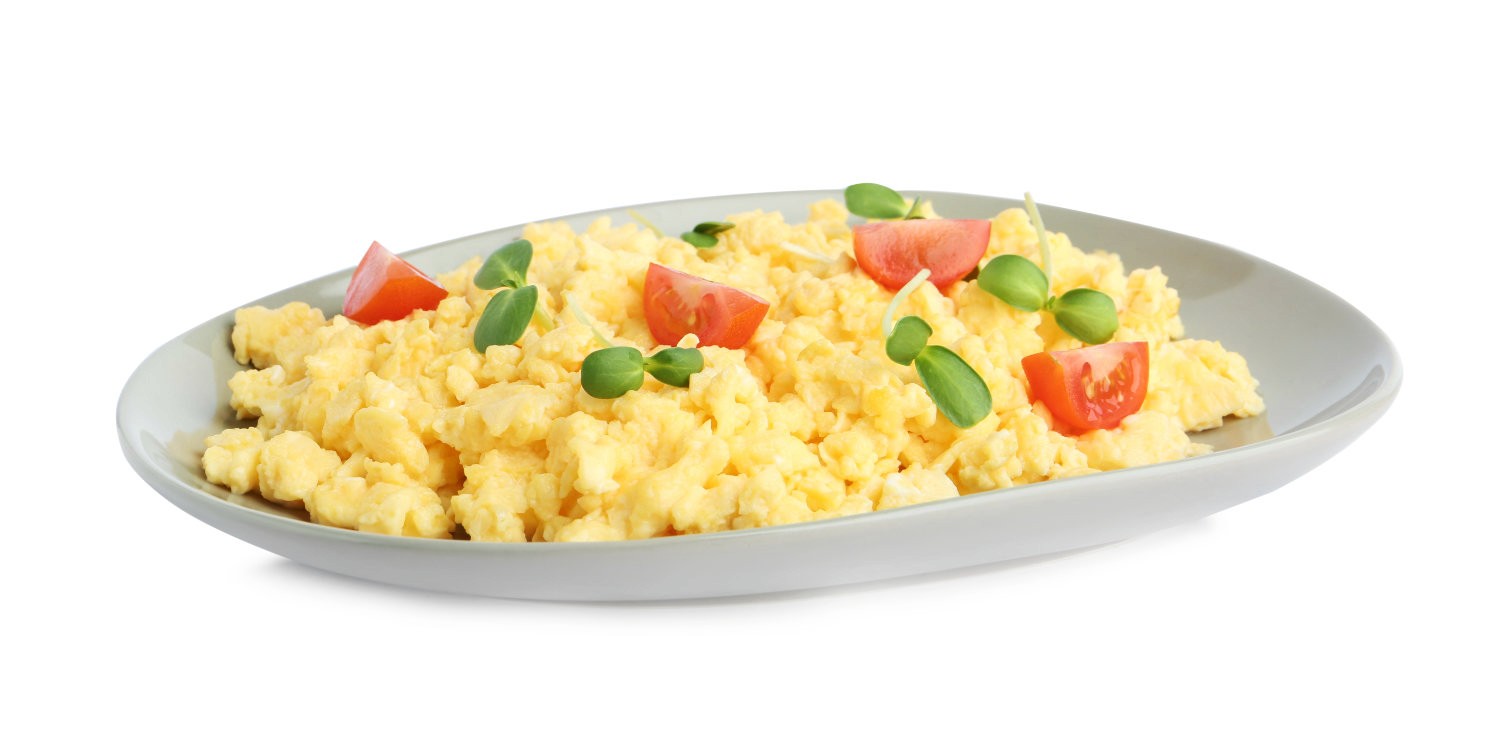
A home-style scrambled egg recipe falls apart fast once you need trays instead of plates. The usual advice on how to make scrambled eggs does not help much when texture, speed, holding safety, and labor all have to work at the same time.
That is where commercial egg formats matter. Jinyi Food stands out here because foodservice teams can start with ready frozen scrambled eggs instead of rebuilding consistency from shell eggs every morning.
Quick answer: Scrambled eggs in foodservice should be cooked to 160°F for safety, and microwave-cooked egg dishes should reach 165°F with a 2-minute stand time before serving. One large egg provides about 6.3 grams of protein, and egg breakfasts have reduced later energy intake by 69 to 164 kcal in adult studies. Jinyi Food offers Frozen Tender Scrambled Eggs and Frozen Extra Tender Scrambled Egg for convenience breakfast applications.
Overview of Scrambled Eggs in Foodservice
Scrambled eggs are one of the hardest breakfast staples to keep consistent across rush periods. They need to look soft, taste fresh, and hold long enough for service without turning watery or tight.
Jinyi Food’s products include Frozen Tender Scrambled Eggs and Frozen Extra Tender Scrambled Egg for convenience breakfast applications, and that matters because frozen formats cut out a lot of the variance that comes with shell-egg cracking, seasoning, and pan-to-pan timing. The company also brings over 20 years of expertise to global foodservice and industrial supply through a vertically integrated farm-to-fork chain.
Two decades of egg experience changes the daily kitchen math.
That supply model is the practical story behind consistency. If you are serving eggs for breakfast in cafeterias, hotels, airline catering, hospitals, or grab-and-go programs, a prepared frozen scrambled egg product can make the best scrambled eggs far easier to repeat across locations and shifts.
The wider market is crowded with suppliers selling liquid, frozen, dried, pasteurized, and specialty egg products for foodservice and industrial buyers, yet few of them center a convenience-ready scrambled format for breakfast service.
Expert Techniques for Fluffy, Creamy Scrambled Eggs
If your team keeps asking how to make fluffy scrambled eggs in volume, start with heat before you touch the whisk. The Kitchn’s guidance calls for low to medium-low heat, because slower cooking keeps egg proteins from tightening too fast and squeezing out moisture.
Air matters more than people think. Bon Appétit’s soft-scramble method recommends vigorous whisking before cooking, which builds volume into the mix and helps create lighter curds instead of a dense sheet.
Seasoning should happen before the eggs hit the pan.
That one step spreads flavor evenly through the curds, which is especially useful in batch cooking where post-seasoning rarely lands the same way from one hotel pan to the next. The Kitchn’s creamy egg technique also stresses pulling the eggs just before they look fully set, since carryover heat finishes the job and keeps the texture soft rather than dry.
For foodservice, the trick is translating those same rules into repeatable kitchen habits. A solid how to make scrambled eggs routine means one target heat band, one whisking standard, one seasoning point, and one pull point so the eggs are still creamy when they reach the line.
Scaling Up: Equipment and Batch Size Considerations
Large-batch scrambled eggs fail for two reasons: uneven heat and overlong hold times. Frozen scrambled egg products simplify batch control and reduce prep time compared with shell eggs, which is exactly why they fit high-volume breakfast service so well.
Jinyi Food’s frozen scrambled formats are built for convenience breakfast applications, so the kitchen can focus on heating and service instead of cracking, blending, and troubleshooting curd consistency. That does not make technique irrelevant, but it does remove several labor-heavy steps that often break a large scrambled egg recipe.
Use equipment that spreads heat evenly across the whole cook surface. In foodservice kitchens, steam-jacketed kettles and tilt skillets are the usual workhorses because they reduce hot spots that can scorch one side of the batch while the rest is still loose. Texture gets lost when stirring stops.
A simple side-by-side view helps show where product formats overlap and where they narrow:
Egg format | How it fits breakfast service | Practical limitation |
|---|---|---|
Shell eggs | Full recipe control and familiar handling for cooked-to-order service | Highest labor load: cracking, blending, and seasoning, with texture that varies cook to cook |
Liquid egg | Skips cracking and blending and delivers a consistent base mix | Still needs full cooking skill; final texture depends on equipment, stirring, and hold time |
Frozen scrambled eggs (ready-cooked) | Heat-and-serve consistency across shifts and sites with minimal skilled labor | Requires freezer capacity and a planned thaw-and-heat schedule |
That table is the real buying lens. If the job is fast, repeatable eggs for breakfast with fewer prep touches, a supplier with a ready frozen scrambled format starts with an advantage before the first batch is heated.
Food Safety Guidelines for Scrambled Eggs in Foodservice
Safety rules for scrambled eggs are not optional details tucked behind the recipe card. USDA FSIS states that scrambled eggs should reach an internal temperature of 160°F.
Runny eggs should not go out in commercial service.
The microwave rule is stricter in a specific way. FDA egg safety guidance requires microwave-cooked egg dishes to reach 165°F and then stand for 2 minutes before eating.
Those numbers matter on buffet lines, in school kitchens, and in healthcare foodservice where eggs may be held and transported before they are served. Hot-hold and cool-down procedures are essential in large-scale service because bacterial growth risk climbs quickly once cooked eggs spend too long in unsafe temperature ranges.
A good scrambled egg recipe for foodservice has a finish line, not just a method. Eggs should be fully cooked and not runny at service, especially for higher-risk diners, and that means your production plan has to account for carryover cooking, holding time, pan depth, and serving windows instead of treating safety as a last-minute thermometer check.
Nutrition and Satiety Benefits of Egg-Based Breakfasts
Eggs earn their breakfast spot because they bring meaningful protein in a familiar format. According to the Egg Nutrition Center factsheet, one large egg provides about 6.3 grams of protein.
That protein content helps explain why eggs for breakfast can feel more satisfying than lighter-carb starts that fade fast. In one PubMed-listed study on normal-weight adults, egg-based breakfasts lowered later energy intake, and in another study on overweight and obese adults, eggs increased satiety with subsequent intake reductions in the 69 to 164 kcal range across adult groups.
Breakfast satisfaction shows up later in the day.
For operators, that makes scrambled eggs a strong menu anchor. They fit balanced breakfast plates, pair easily with vegetables and grains, and help deliver a familiar item that customers recognize as filling without needing a complicated explanation.
FAQ
Does Jinyi Food offer a ready-made scrambled egg product for breakfast service?
Yes. Jinyi Food offers Frozen Tender Scrambled Eggs and Frozen Extra Tender Scrambled Egg for convenience breakfast applications, which makes the line especially relevant for operators who need consistent texture with less prep.
What kind of supply setup does Jinyi Food use?
Jinyi Food runs a vertically integrated farm-to-fork supply chain. That structure is useful for foodservice and industrial buyers who want one supplier spanning multiple egg ingredient formats.
How long has Jinyi Food been serving global customers?
Jinyi Food has more than 20 years of expertise serving global foodservice and industrial clients. For buyers, that history matters most when reliability and repeatability are bigger concerns than novelty.
What is the safest final temperature for scrambled eggs in foodservice?
Scrambled eggs should reach 160°F internally. If they are cooked in a microwave, the target is 165°F followed by a 2-minute stand time.
What is the best way to keep large-batch scrambled eggs soft?
Cook on low to medium-low heat, whisk vigorously before cooking, season before the eggs hit the pan, and pull them just before they look fully set. In bigger batches, even stirring and tight heat control are what keep curds creamy instead of rubbery.
Choosing the Right Scrambled Egg Format at Scale
The best choice depends on where your kitchen strain really is. If the problem is labor, consistency, and breakfast-volume speed, Jinyi Food makes a strong case because its frozen scrambled products line up neatly with that job, while ingredient-led liquid or powder formats may fit teams that prefer building menu items from scratch.
If your operation still prefers liquid or mixed egg systems, look closely at equipment, holding time, and who will control texture once the batch size climbs. If you want the best scrambled eggs at scale, pick the format first, then the cooking method, then the safety plan, because that order is what keeps breakfast service smooth.
