Mayak Eggs
Storage, Shelf Life & Handling
Packaging & Specifications
Product Description
Applications
Instructions for Use
Check All Products
Mayak Eggs (Korean 마약계란 / 麻药蛋) — Shelf-Stable & Bulk Supply for Korean Restaurants, K-Food Chains & Convenience Programs
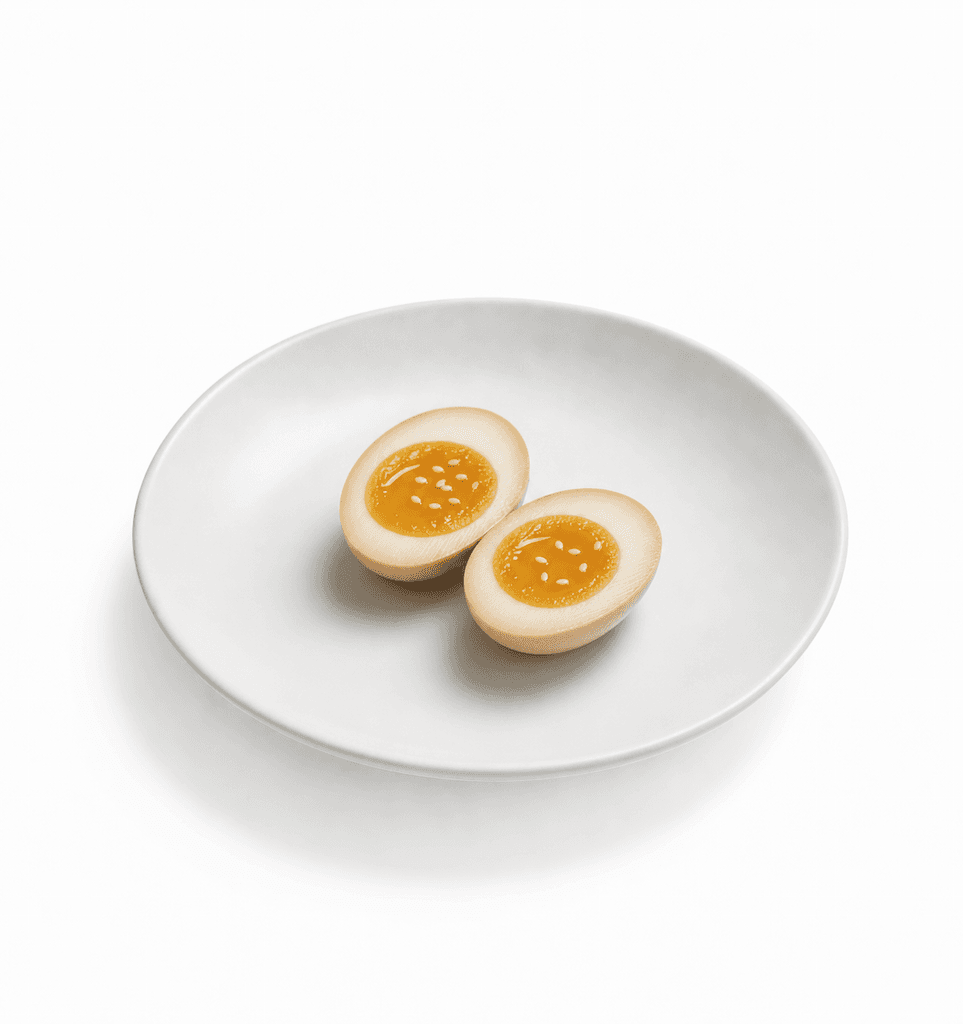
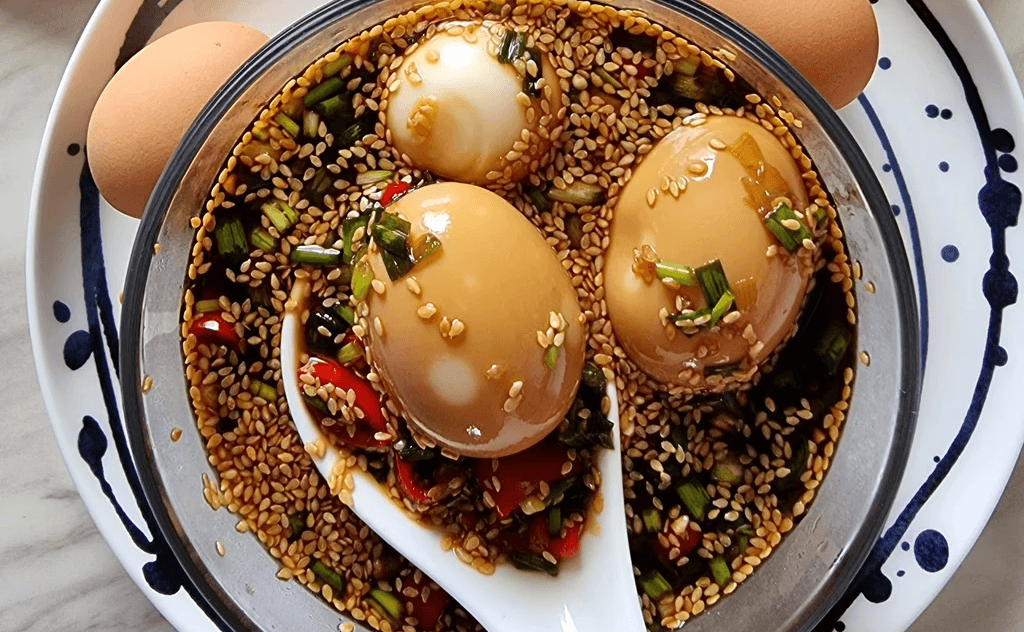
Mayak eggs — literally "drug eggs" in Korean, named for their addictively savory flavor — are soft-boiled eggs marinated in a soy-based brine with garlic, scallion, sesame seeds, and chili. Once a viral home-cook recipe in Korea, they have become a standard menu item in K-food restaurants, lunchbox chains, convenience store HMR programs, and Korean-style brunch cafés across Asia, North America, and Europe.
Traditionally, mayak eggs require a precise 6–7 minute boil, ice shock, careful peeling, and 6–12 hours of brine marination — a labor-intensive workflow that's difficult to scale in busy kitchens or central commissaries. Jinyi Food's ready-to-eat, shelf-stable mayak eggs eliminate all prep work, delivering consistent jammy yolk texture and authentic Korean soy-garlic-sesame flavor straight from the pack — with no refrigeration or cold chain required, dramatically simplifying logistics for distributors and multi-unit operators.
Supplied in bulk to Korean restaurant chains, K-food franchise concepts, convenience store meal programs (CU, GS25, 7-Eleven HMR lines), lunchbox brands, and foodservice distributors globally. OEM marinade recipes and custom retail / foodservice packaging available on request.
What is mayak gyeran (마약계란)?
A Korean marinated soft-boiled egg infused with a soy-garlic-sesame-scallion brine, with a jammy semi-liquid yolk. The name literally translates to "drug egg," referring to its addictive savory-sweet umami flavor. It is typically served over hot rice (mayak gyeran-bap), as a banchan side dish, or as a topping on ramyeon and rice bowls.
How do Jinyi's mayak eggs compare to restaurant-made versions?
We replicate the traditional 6.5–7 minute soft-boil and Korean-style soy-garlic-sesame marinade at industrial scale, then stabilize through ambient retort processing — jammy yolk and authentic flavor preserved, with zero prep, peeling, or marination labor required at store level.
Why is shelf-stable supply (no cold chain) a major advantage for this product?
Ambient stability allows the product to ship via standard dry freight, store on dry shelves at restaurants and convenience stores, and reach markets without reliable cold-chain infrastructure. For convenience store HMR programs and overseas K-food chains, this cuts logistics cost by 30–50% versus refrigerated or frozen alternatives, while extending menu availability to smaller-format stores without freezer space.
How do mayak eggs differ from Japanese ramen eggs (ajitsuke tamago)?
Both are soy-marinated soft-boiled eggs, but the flavor profiles differ: Japanese ajitama uses a soy-mirin-dashi brine with a clean umami profile, while Korean mayak eggs add garlic, scallion, sesame seeds, and chili for a bolder, sharper, more aromatic finish. The two SKUs serve complementary menus — ajitama for Japanese ramen and izakaya, mayak eggs for Korean rice bowls, kimbap, and HMR lines.
Can you produce custom flavors or packaging for our brand?
Yes. Full OEM service available, including custom soy-garlic ratios, spicy gochujang variants, black garlic, truffle, reduced-sodium versions, and private label packaging in single-serve pouches, multi-pack retail boxes, or bulk foodservice cases.
CONTACT US
Contact Our Product Consultant
*Bulk Supply Only | No Retail or Small-Quantity Orders
*Fresh eggs are not our primary offering and require destination country regulatory clearance.
